01 / Material Research
TexCell
Recycled Textile Research · Material Development · Circular Design
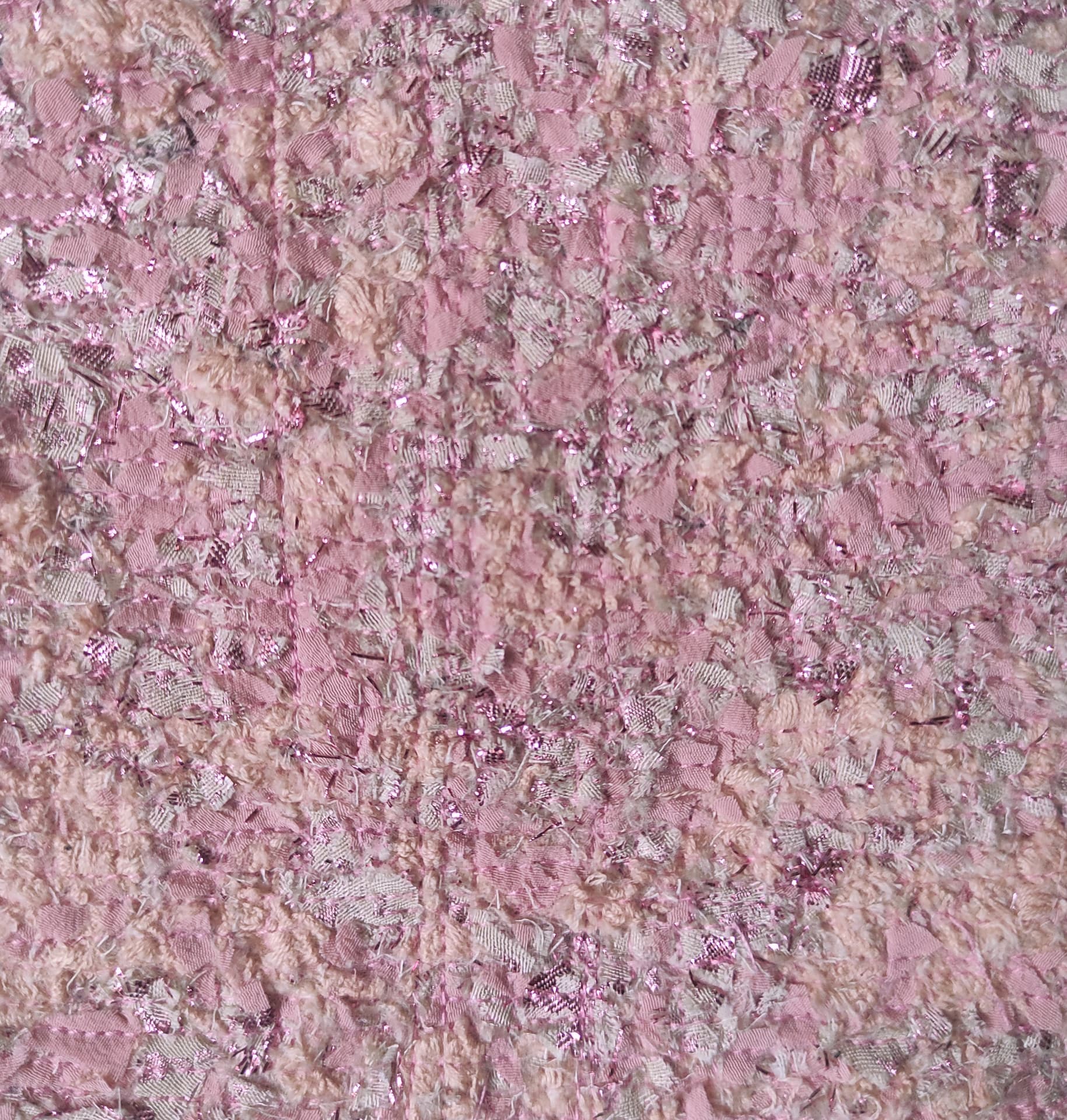
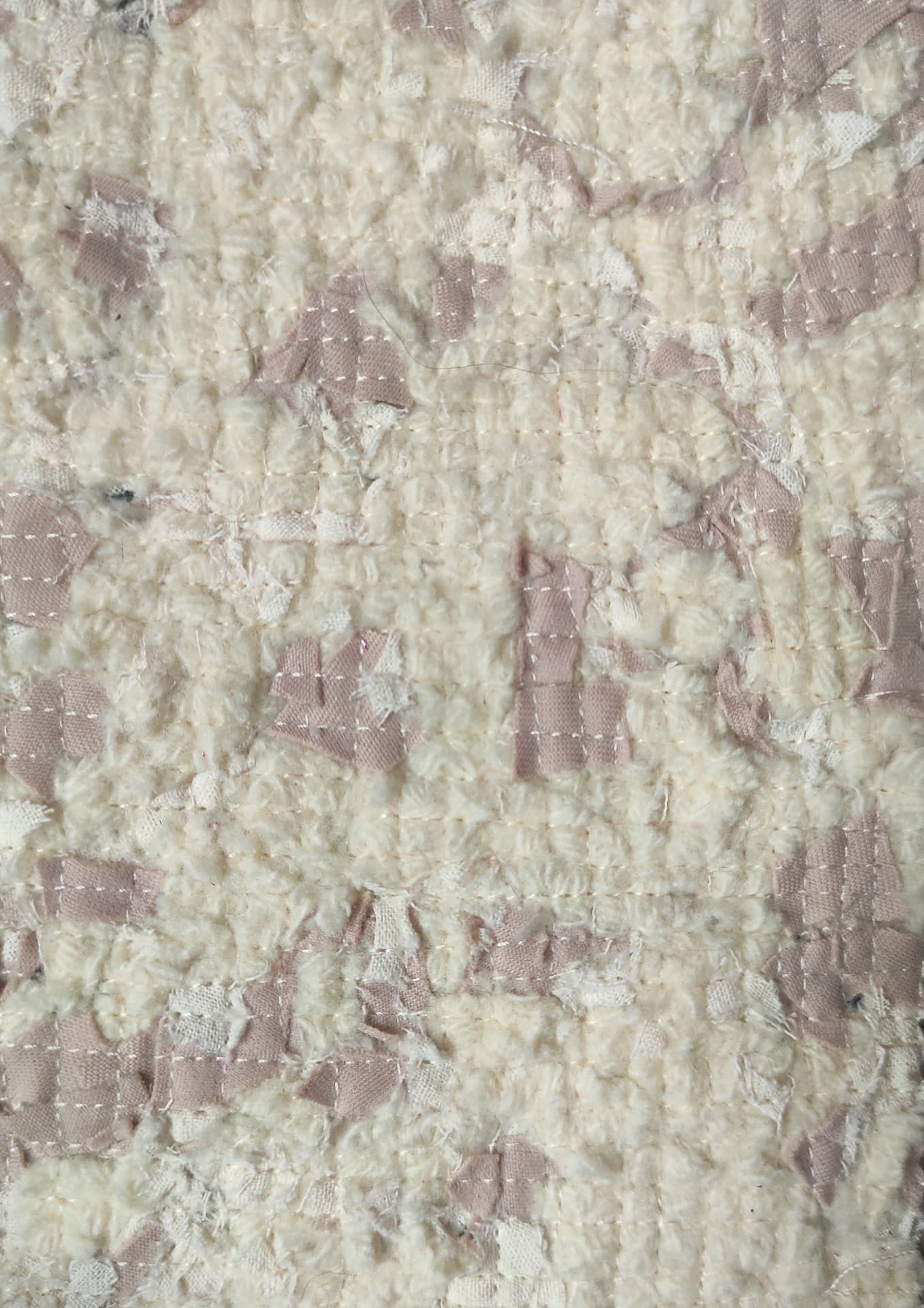
TexCell is an ongoing material research project, currently in development. It is an experimental textile material developed from discarded garments and textile waste, exploring how existing fibres and fabrics can be transformed into a new usable surface rather than returning to the waste stream.
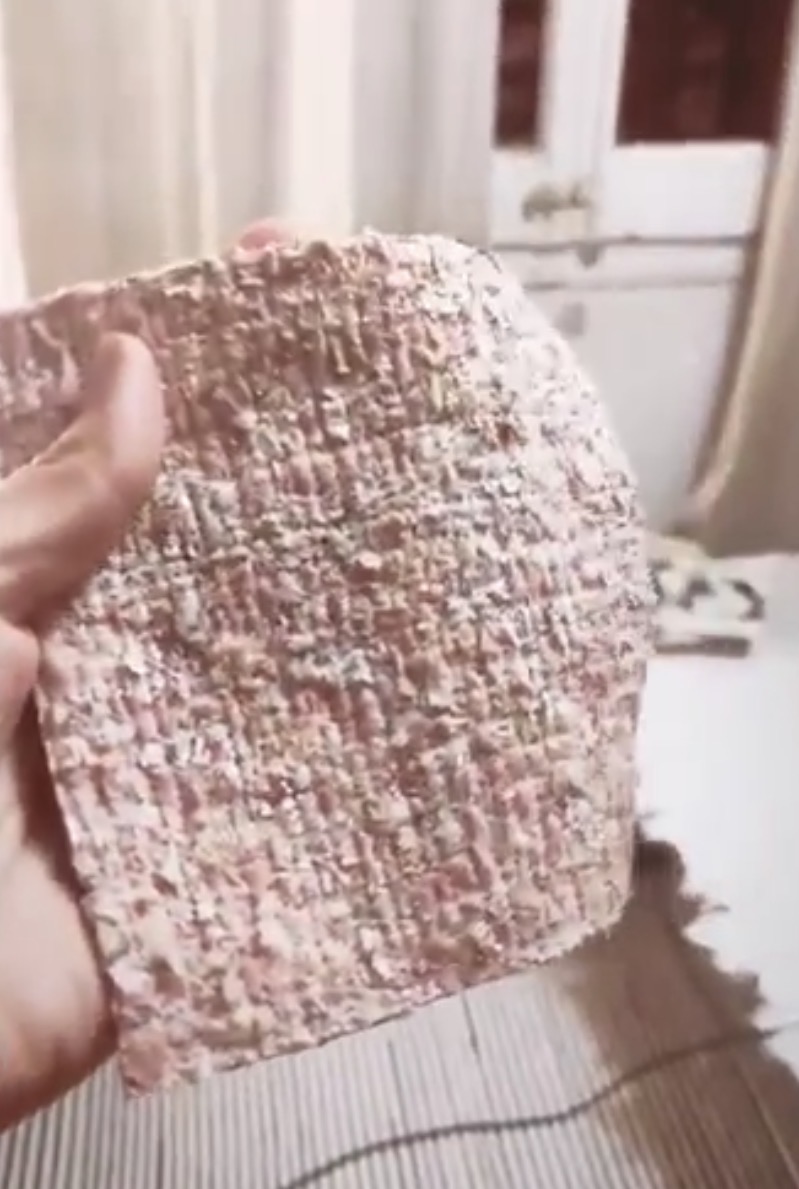
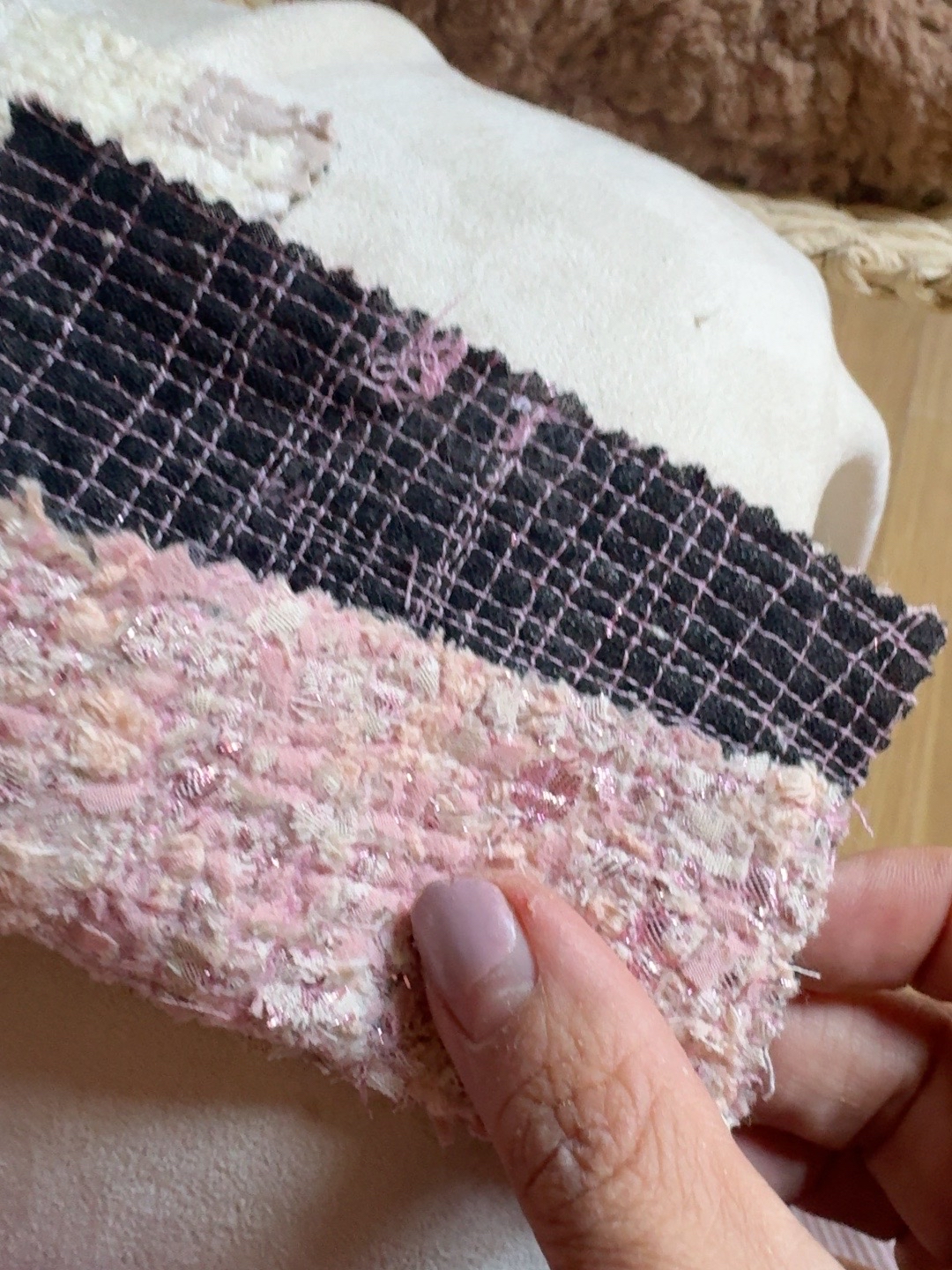
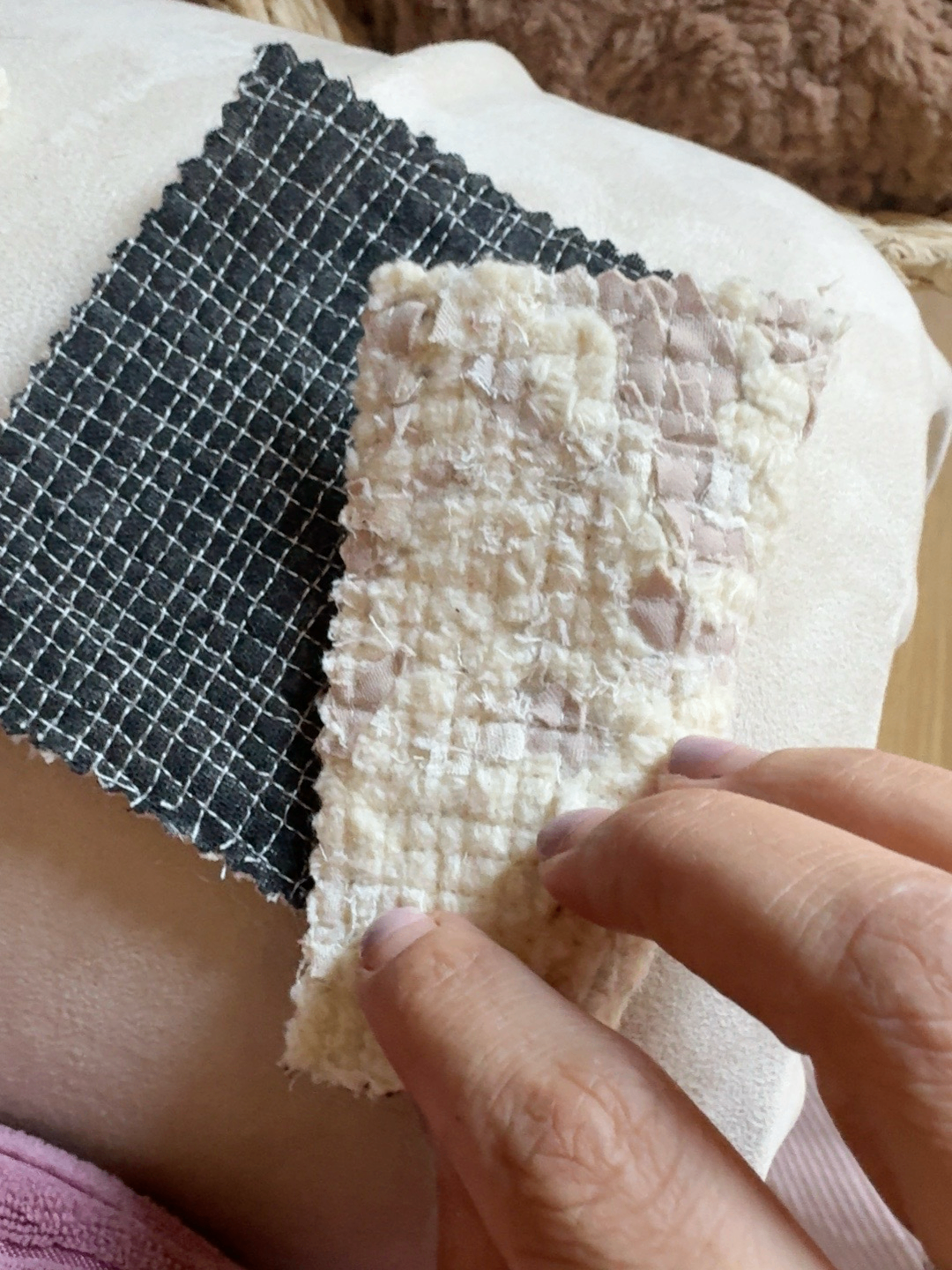
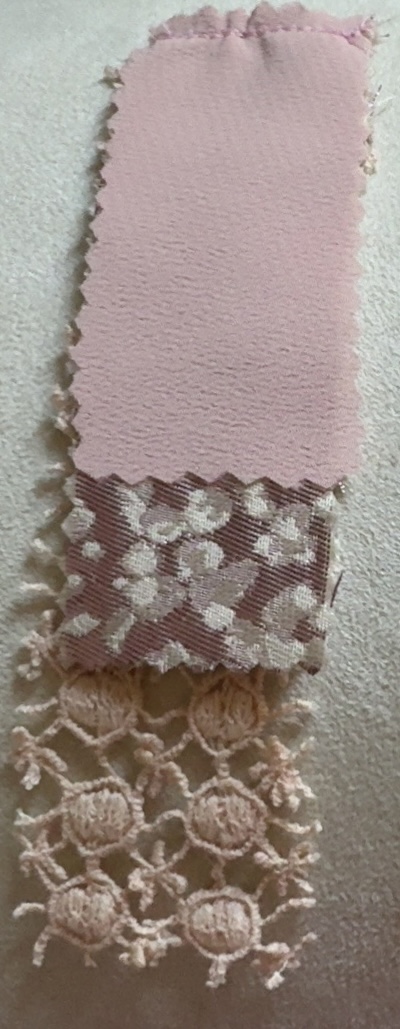
The process began by collecting and sorting unwanted textiles, removing components that could not be reused, and breaking the remaining material down into small textile fragments or “cells”. These fragments were then recomposed onto a supporting surface and bonded through a combination of textile adhesive, pressure and stitching, creating a dense, irregular material with a visual quality similar to tweed.
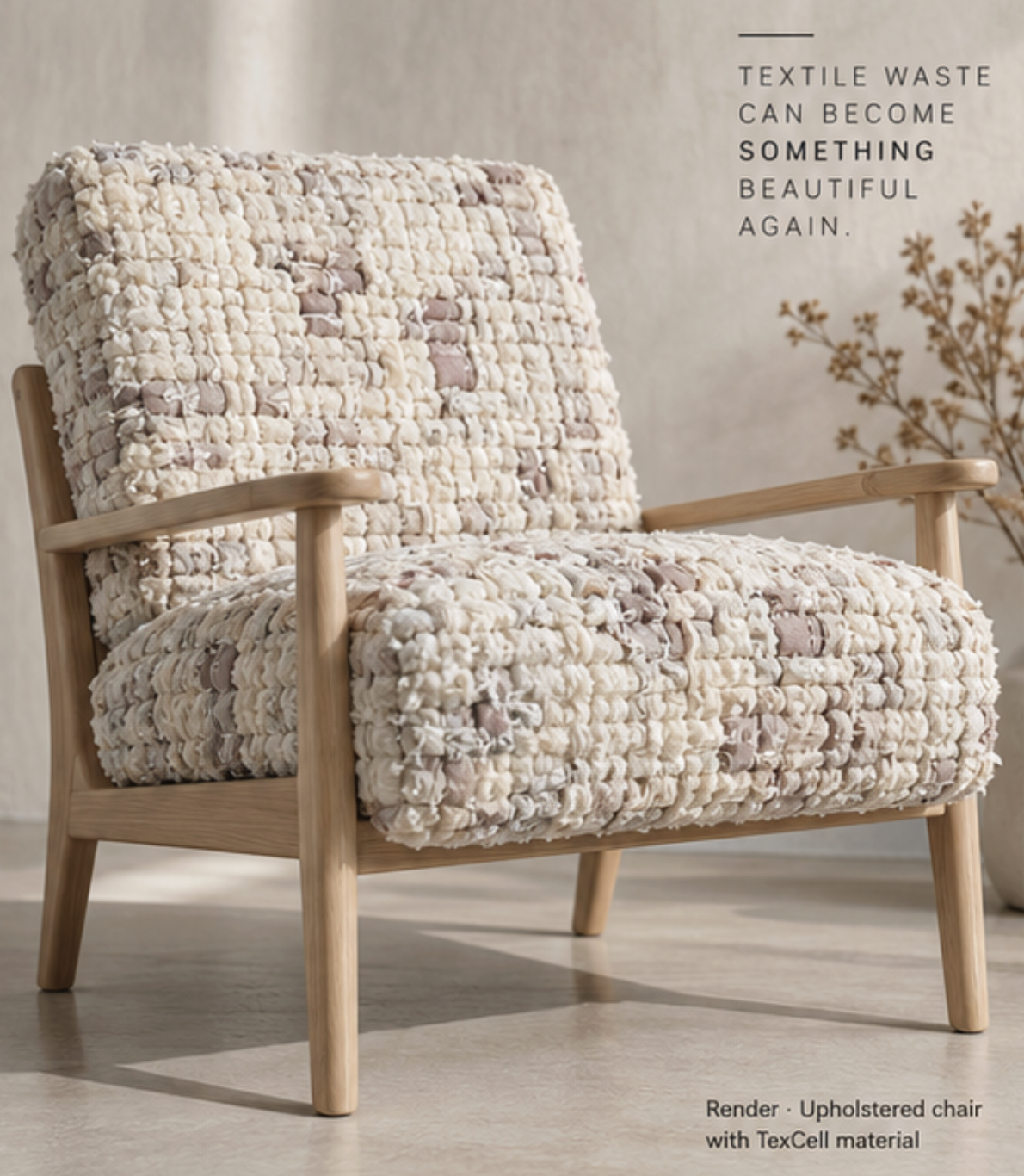
The resulting textile was conceived as a durable surface with potential applications in upholstery, interior products and outerwear, where thickness, texture and structural presence can become part of the design rather than something to conceal.
The project investigates how textile waste can become raw material for a new manufacturing process, shifting the focus from recycling fibres back into conventional yarns toward creating a new material directly from existing textile matter.
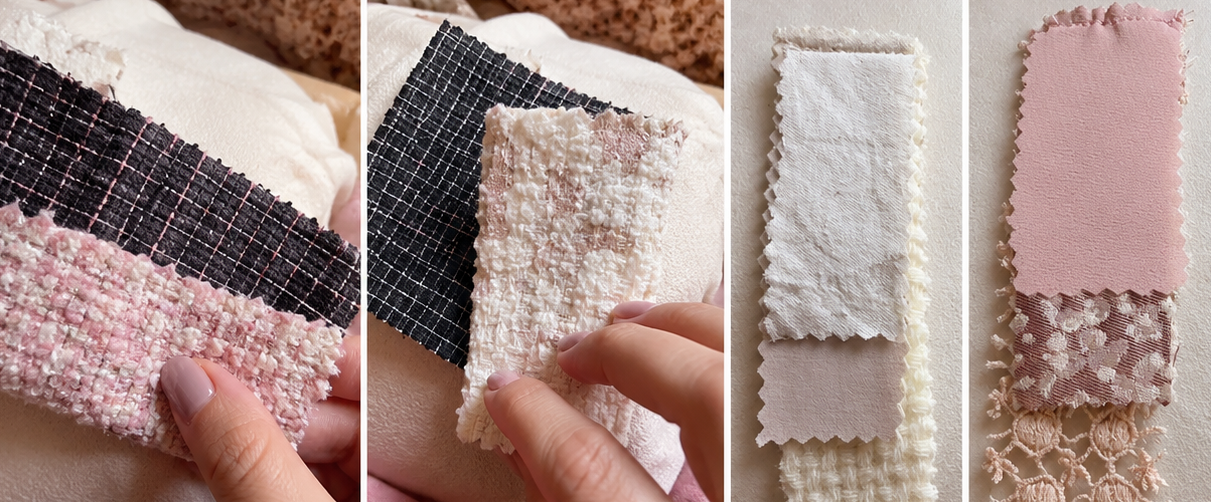
Process
- 01Collection
- 02Sorting
- 03Hardware Removal
- 04Fragmentation
- 05Recomposition
- 06Bonding
- 07Pressing
- 08Stitching
- 09New Textile Surface
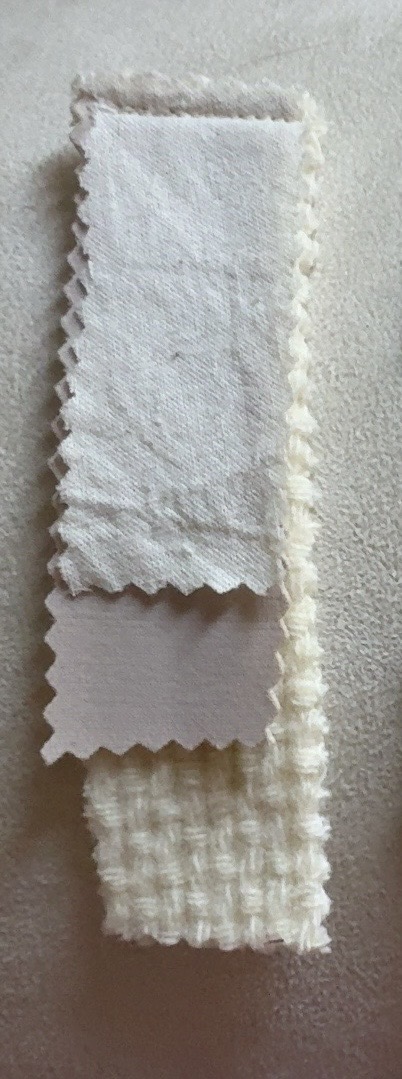
Next Stage — Potential Development
TexCell currently exists as a developed experimental prototype. The first prototypes were produced manually, which limited consistency, scale and production speed.
The next stage of the project involves further material research and technical testing, alongside specialised machinery to improve and accelerate the process — moving towards a more controlled production system capable of shredding, distributing, bonding, pressing and finishing recycled textile matter at a larger scale.
To reach that phase, the project is seeking industrial collaboration, potential investment and research support. Further testing would cover durability, washability, weather resistance, composition and manufacturing standards for specific applications.
The long-term ambition is to explore whether TexCell could evolve from an experimental material into a scalable circular textile system.
TexCell asks whether textile waste needs to return to fibre at all, or whether discarded fabric can become the building block of an entirely new surface.Next / 02The Bird That Never Dies→